Buying or selling a home is a major legal and financial commitment. Once an offer is accepted, most people assume the deal is done. However, many buyers ask an important question: Can a seller back out after accepting an offer in Ontario?
The answer depends on timing, conditions, and the legal structure of the agreement. Understanding when a seller is legally bound and when they are not can help you avoid serious financial and legal consequences.
When Is an Accepted Offer Legally Binding in Ontario?
In Ontario, a real estate transaction becomes legally binding when:
- The Agreement of Purchase and Sale is signed by both parties, and
- The signed agreement is delivered to the buyer
Once these steps are complete, the contract is enforceable. At this stage, the seller cannot simply change their mind without facing legal consequences.
This is why it is critical for sellers to fully understand what they are signing before accepting an offer.
Also, visit this page to get more information about real estate legal services in Ontario:
Real Estate Lawyer Ontario
Can a Seller Back Out After Accepting an Offer?
In most situations, no. Once an offer is accepted and delivered, the seller is legally obligated to complete the sale.
A seller cannot back out just because:
- A higher offer appears later
- They regret the agreed sale price
- They decide not to move
- The market value increases
Doing so would be considered a breach of contract, exposing the seller to legal action.
Situations Where a Seller May Legally Back Out
While uncommon, there are specific scenarios where a seller may be able to withdraw without penalty.
1. Conditions in the Agreement Are Not Met
Most Agreements of Purchase and Sale include conditions such as:
- Financing approval
- Home inspection
- Sale of the buyer’s existing property
If the buyer fails to meet or waive these conditions within the specified timeline, the agreement can become void, allowing the seller to move on.
To better understand purchase agreements and conditions, visit:
Purchase and Sale.
2. Mutual Agreement to Terminate the Contract
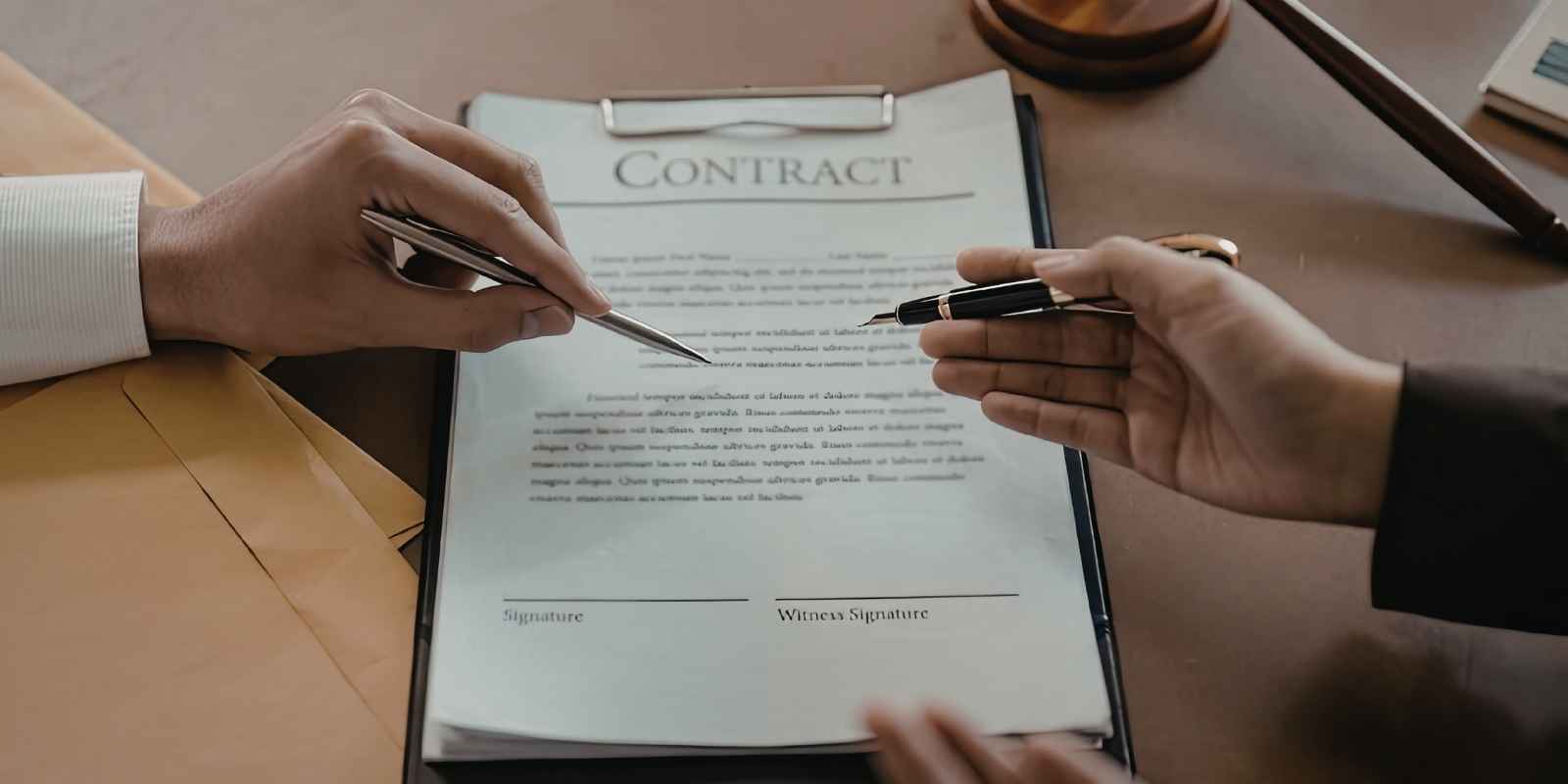
If both the buyer and seller agree not to proceed, they can sign a mutual release. This document formally ends the contract and usually addresses what happens to the deposit.
Without mutual consent, a seller cannot unilaterally cancel the agreement.
3. Buyer Breaches the Agreement
If the buyer fails to meet their legal obligations, such as:
- Missing the closing date
- Failing to provide funds
- Ignoring contract deadlines
The seller may have legal grounds to terminate the agreement and may even retain the buyer’s deposit.
4. Misrepresentation or Fraud
If a buyer provides false information that materially affects the transaction, a seller may have the right to cancel. This situation is rare and must be proven with evidence.
What Happens If a Seller Backs Out Illegally?
When a seller backs out without legal justification, the consequences can be serious.
Buyer’s Right to Sue for Damages
The buyer may sue the seller for financial losses, including:
- The price difference if they must buy a more expensive home
- Legal fees
- Moving and storage costs
- Increased mortgage rates
These damages can quickly become substantial.
Specific Performance: Forcing the Sale
In some cases, courts may order specific performance, meaning the seller is legally forced to complete the sale.
This remedy is more likely when:
- The property is unique
- Comparable homes are unavailable
- The buyer would suffer significant hardship
Deposit Disputes
If the seller breaches the agreement, the buyer is typically entitled to the return of their deposit and may seek additional compensation.
Is There a Cooling-Off Period for Sellers in Ontario?
No. There is no cooling-off period for resale residential real estate in Ontario once an offer is accepted and delivered.
This is a common misunderstanding. Sellers must be confident before signing, as there is no automatic right to reconsider later.
What Buyers Should Do If a Seller Tries to Back Out
If a seller attempts to cancel improperly:
- Do not sign any documents
- Keep all written communication
- Contact a real estate lawyer immediately
- Avoid verbal agreements
Early legal advice can prevent escalation and protect your financial interests.
For property transactions and disputes in Toronto, learn more here:
Real Estate Lawyer Toronto.
How Sellers Can Avoid Legal Trouble
Sellers can protect themselves by:
- Reviewing contracts carefully
- Understanding all conditions and deadlines
- Seeking legal advice before accepting an offer
- Avoiding emotional decision-making
Once the agreement is signed, the legal obligation is real.
The Role of Title Transfer in Seller Obligations
Once a deal proceeds toward closing, the seller is responsible for completing the title transfer properly. Failure to do so can delay closing and trigger legal consequences.
Understanding how title transfer works is essential for a smooth transaction.
To learn more about title transfers in Ontario, visit:
Title Transfer Ontario.
Final Thoughts
So, can a seller back out after accepting an offer in Ontario?
In most cases, no. Once an Agreement of Purchase and Sale is signed and delivered, it is legally binding.
Whether you are buying or selling, understanding your legal obligations and acting early when issues arise can save you from costly disputes.